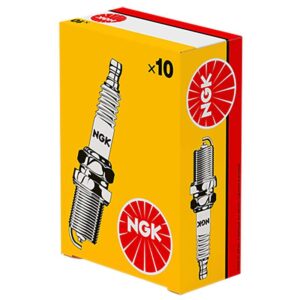
NGK Spark Plugs
Getting the right plug for your car is imperative, so as not to cause any damage.
NGK Spark Plugs
Let e-CAR find the right NGK Spark Plugs for your car.
Don’t let a faulty Plugs make your car splutter and hanve no power. Schedule an appointmentĀ with e-CARĀ and experience the difference professional service makes.
NGK Spark Plugs South Africa for all cars
NGK Spark Plugs have been produced in South Africa since 1950. These spark plugs were produced under license to NGK Spark Plugs Japan. NGK Spark Plugs SA, now owned by NGK Japan, still continues to produce a range of spark plugs for the OE & Independent Aftermarket.
We are driven by extreme dedication to performance and quality. From OEM to aftermarket, our people push the boundaries of innovation to bring the latest technologies to market under the NGK Brand
NGK Spark Plugs is also the Technical Sponsor of several local motorsport-racing teams.
NGK Spark Plugs South Africa has also launched a loyalty program in July 2021 called the Arigato Workshop Loyalty where we aim to reward the workshop for using our products.
Importance of Spark Plugs in Engine Performance
How do Spark Plugs Work?
To truly appreciate the importance of NGK spark plugs, letās dive into their core purpose. Spark plugs may be small, but they play a vital role by creating an electric spark that sets the engineās air-fuel mixture ablaze within the combustion chamber. This carefully orchestrated ignition process is the driving force behind your engineās peak performance.
Ignition Process in a Combustion Engine
In a standard four-stroke internal combustion engine, the magic happens in four key stages: intake, compression, combustion, and exhaust. Now, letās focus on the exciting part ā combustion! This is where the spark plug steps up to the plate. As the piston reaches the peak of its compression journey, our trusty spark plug leaps into action, sending an electric spark dancing between its electrodes. This spark sets fire to the tightly squeezed air-fuel mixture, kickstarting the powerful engineās performance.
The Role of Spark Plugs in Ignition
Choose NGK spark plugs for a top-notch ignition experience. NGK has honed their expertise through cutting-edge engineering and strict quality tests to craft spark plugs that guarantee a dependable and steady spark. This precise and potent spark ignites your engine with efficiency, unlocking its full power potential. Opting for NGK spark plugs means embracing better engine performance, improved fuel economy, and a cleaner environment with reduced emissions.

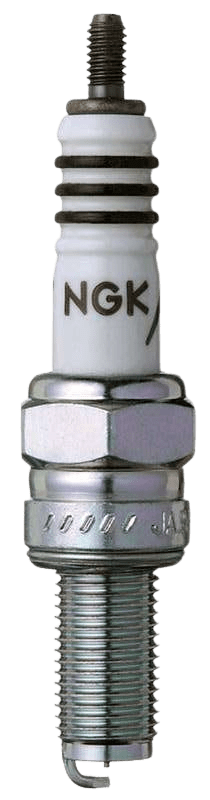
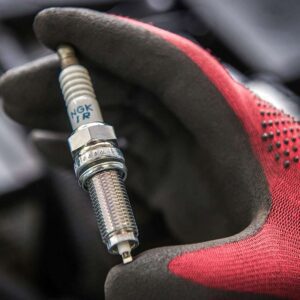
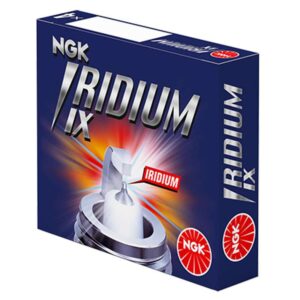
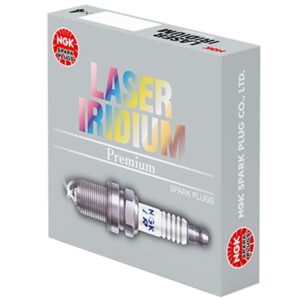
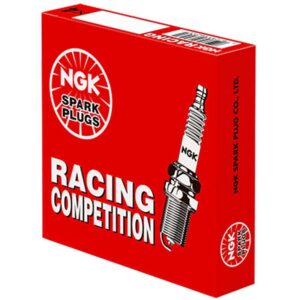
Where are spark plugs used?
- Car, SUV, Truck
- Outboard Marine (Boat Motors)
- Chainsaw
- Motorcycle
- PWC (Jetskis)
- Generator
- ATV
- Snowmobile
- Power Equipment (Weed eaters)
- Inboard Marine (Boats)
- Lawnmower
- Outdoor Equipment (Compressors)
Common Spark Plug Problems
Even the highest-quality spark plugs experience wear over time. Understanding the most common issues helps ensure your engine performs at its bestāand lets you identify when itās time for a replacement.
1. Fouled Spark Plugs
Oil, carbon, or fuel deposits can accumulate on the firing end of the plug, preventing proper sparking. Fouling often leads to hard starts, rough idling, and reduced power. NGKās advanced materials help resist fouling, but regular inspection is still key.
2. Worn Electrodes
As spark plugs age, the electrodes naturally wear down. This increases the gap and forces the ignition system to work harder, resulting in weak sparks and decreased performance. Using NGKās premium metals helps maintain consistent spark over a longer lifespan.
3. Misfires
A failing spark plug canāt ignite the air-fuel mixture correctly, causing the engine to misfire. You may notice hesitation, loss of acceleration, or increased emissions. Replacing worn plugs with NGK ensures reliable combustion and smoother driving.
4. Overheating
Improper heat range, lean fuel mixtures, or engine overheating can cause spark plugs to run too hot. This may result in blistered insulators or melted electrodes. NGK plugs are engineered to maintain the ideal operating temperature for optimal ignition.
5. Pre-Ignition & Detonation Damage
Low-quality or incorrectly installed spark plugs can contribute to severe engine knocking. Pre-ignition can cause cracked insulators or damaged tips. NGKās precise design and strict quality standards help reduce these risks.
6. Incorrect Gap
A spark plug gap thatās too wide or too narrow can cause weak ignition or incomplete combustion. NGK plugs are manufactured with highly accurate factory-set gaps, ensuring dependable spark delivery every time.
Can I install Spark Plugs Myself at Home?
You can install a spark plug at home if you have the right tools and take your timeābut if youāre not comfortable working with engines, a garage is safer. Hereās a step-by-step guide for DIY installation:
Tools Youāll Need
Ratchet and extension
Spark plug socket (usually 5/8ā or 13/16ā)
Torque wrench (optional but highly recommended)
Spark plug gap gauge
Anti-seize compound (optional, some plugs come pre-coated)
Dielectric grease (optional, for ignition boot)
| Step 1: Prepare Your Vehicle |
| 1. Let the engine cool completelyāspark plugs get extremely hot. |
| 2. Open the hood and locate the spark plugs (usually under ignition coils or spark plug wires). |
| Step 2: Remove the Old Spark Plugs |
| 1. Remove ignition coils or wires carefully (donāt pull on wiresāuse the boot). |
| 2. Use the spark plug socket and ratchet to turn the old plug counterclockwise until it comes out. |
| 3. Inspect the old plug for wear or foulingāit can give clues about your engineās condition. |
| Step 3: Check and Adjust the Gap |
| Most NGK plugs come pre-gapped, but check with a spark plug gap tool. |
| Adjust if necessary according to your carās manual. A correct gap ensures optimal spark and engine efficiency. |
| Step 4: Install the New Spark Plug |
| 1. (Optional) Apply a tiny amount of anti-seize to the threads. |
| 2. Carefully thread the plug in by hand firstānever cross-thread. |
| 3. Use the socket to snug it down. If using a torque wrench, follow the manufacturerās torque specs (usually 18ā25 ft-lbs for most cars). Over-tightening can damage the engine. |
| Step 5: Reattach Wires or Coils |
| Apply a small amount of dielectric grease inside the ignition boot (optional). |
| Push the coil or wire firmly back onto the plug. |
| Step 6: Test the Engine |
| Start the car and listen for smooth idling. |
| If the engine misfires or runs rough, double-check connections and gap. |
| ā Tips |
| Work on one plug at a time to avoid mixing up wires. |
| Always use the correct heat range plug for your engine. |
| If you feel unsure at any step, a mechanic can install them quicklyāspark plugs are inexpensive, but damaged threads are costly. |
Approvals & accreditations
Trust
e-CAR is accredited with RMI, MIWAĀ approvals, and Right 2 Repair Supporter in SA for top-quality vehicle servicing and workmanship that meets industry standards.
Genuine car parts from our top brands
Terms and Conditions apply.
Please note that not all service centres offer the full range of services, and available services may vary between locations. We recommend confirming with your chosen service centre prior to booking your vehicle.